Natural History Museum of Los Angeles County – Tickets & Info
This website offers official tickets for this venue. Please note, however, that it is not the official website of the venue.
Smartphone tickets
Why wait?
Instant confirmation
Flexible cancellation


Natural History Museum of Los Angeles County: Entry Ticket
Highlights
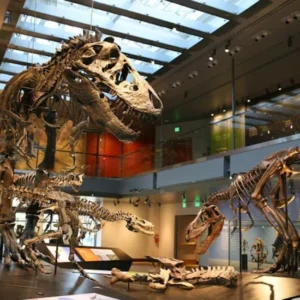
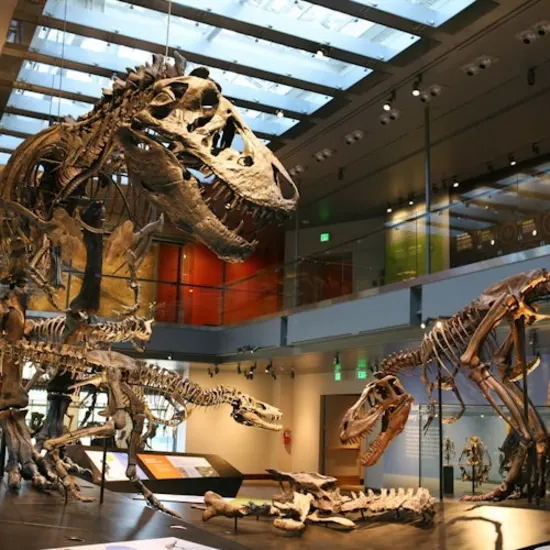
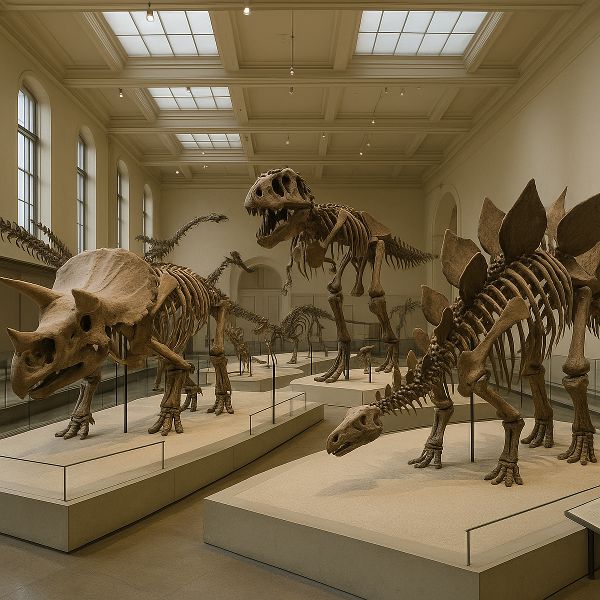
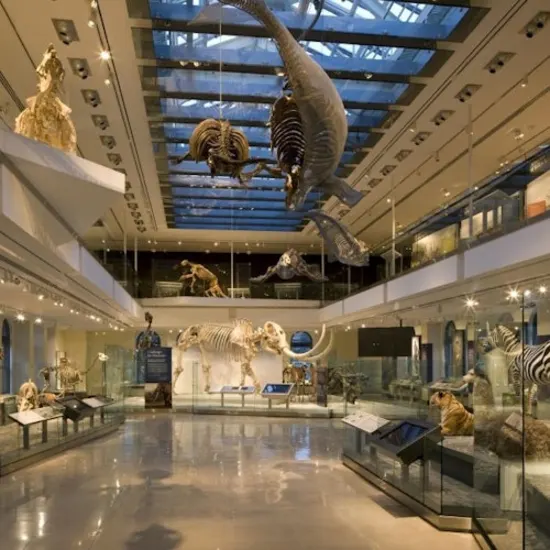
Discover the impressive Dinosaur Hall filled with over 300 fossils and 20 large skeletons.
Experience lifelike wildlife presentations in the African and North American Mammal Halls, resembling scenes from nature documentaries.
Explore the sparkling Gem and Mineral Hall featuring 150,000 specimens including gold and diamonds.
Enjoy special exhibitions like ‘Reframing Dioramas: The Art of Preserving Wilderness’ available until September 15, 2025.
Benefit from wheelchair accessibility and well-located parking with electric vehicle charging options.


Go City Los Angeles: Explorer Pass
Highlights
Choose from more than thirty major Los Angeles tours and attractions.
Save up to half the price compared to buying individual tickets.
Gain entry to spots like Warner Bros. Studio tours, Madame Tussauds, and hop-on hop-off bus rides.
Enjoy a pass valid for a whole month after the first use.
Access a handy digital guide and use a smartphone or printed pass for entry.

Go City Los Angeles: All-Inclusive Pass
Highlights
Explore more than 40 popular sites in Los Angeles.
Choose a pass duration of 2, 3, or 4 days.
Enjoy one full-day admission to Universal Studios Hollywood with the 3-day option.
Get unlimited access to the Big Bus Los Angeles 1-Day Classic Hop-On Hop-Off Yellow Route.
Discover attractions ranging from museums to theme parks and cruise tours.

Natural History Museum of Los Angeles County
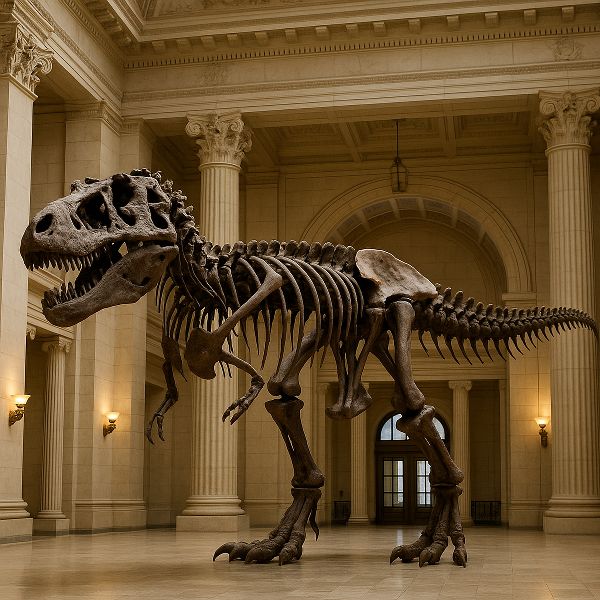
Explore the wonders of our planet at the Natural History Museum of Los Angeles County. With over 35 million specimens spanning 4.5 billion years, it’s a place where science, nature, and culture come to life. Whether you’re marveling at ancient fossils, vibrant gems, or diverse ecosystems, there’s something for everyone. Don’t miss out on this unforgettable experience – buy your tickets now and embark on a journey through time.
About the Natural History Museum of Los Angeles County

Established in 1913, the Natural History Museum of Los Angeles County is the largest natural and historical museum in the Western United States. Located in Exposition Park, Los Angeles, the museum houses nearly 35 million specimens and artifacts, covering 4.5 billion years of history. Its mission is to inspire wonder, discovery, and responsibility for our natural and cultural worlds. The museum is part of the Natural History Museums of Los Angeles County, which also includes the La Brea Tar Pits and the William S. Hart Museum.
Address: 900 Exposition Blvd, Los Angeles, CA 90007
Founded: 1913 as the Museum of History, Science, and Art
Annual Visitors: Approximately 1.2 million
Collections: Nearly 35 million specimens spanning 4.5 billion years
Architectural Style: Beaux-Arts, Neoclassical, Romanesque, Plateresque
Why Visit the Natural History Museum of Los Angeles County?
Dinosaur Hall: Step into the world of prehistoric giants in the Dinosaur Hall. With one of the largest collections of dinosaur fossils in the world, including a rare Tyrannosaurus rex growth series, it’s a must-see for enthusiasts of all ages.
Gem and Mineral Hall: Marvel at over 2,000 dazzling specimens in the Gem and Mineral Hall. From sparkling diamonds to vibrant rubies, this exhibit showcases the Earth’s natural treasures in stunning displays.
Nature Gardens: Stroll through the museum’s extensive Nature Gardens, a 3.5-acre outdoor space featuring native plants and wildlife. It’s a peaceful retreat that highlights California’s diverse ecosystems.
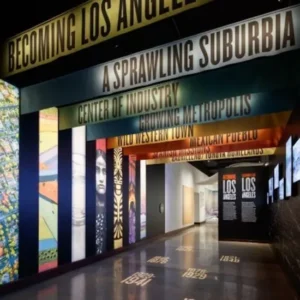
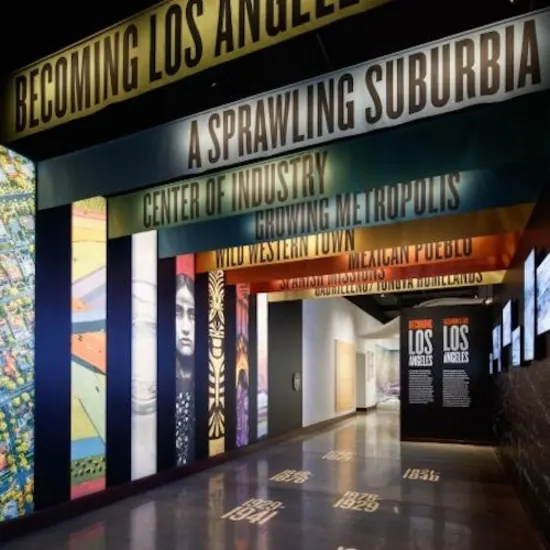
Becoming Los Angeles Exhibit: Discover the rich history of Los Angeles in the “Becoming Los Angeles” exhibit. Through artifacts and interactive displays, learn how the city transformed from a small pueblo to a sprawling metropolis.
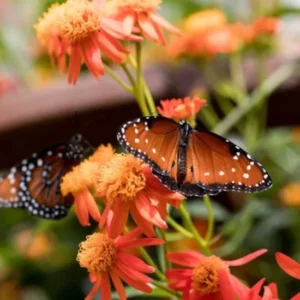
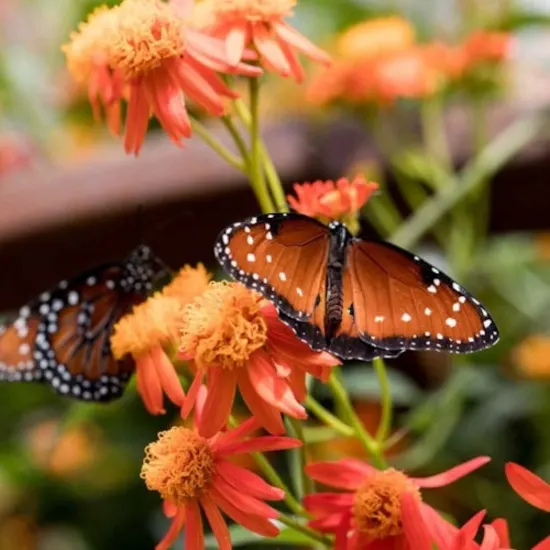
Seasonal Pavilions: Experience nature up close in the seasonal Butterfly and Spider Pavilions. Walk among hundreds of butterflies or observe arachnids in their natural habitats during their respective seasons.
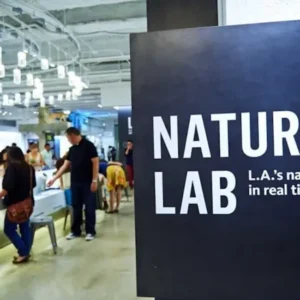
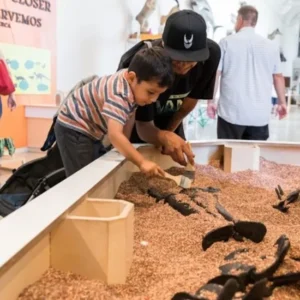
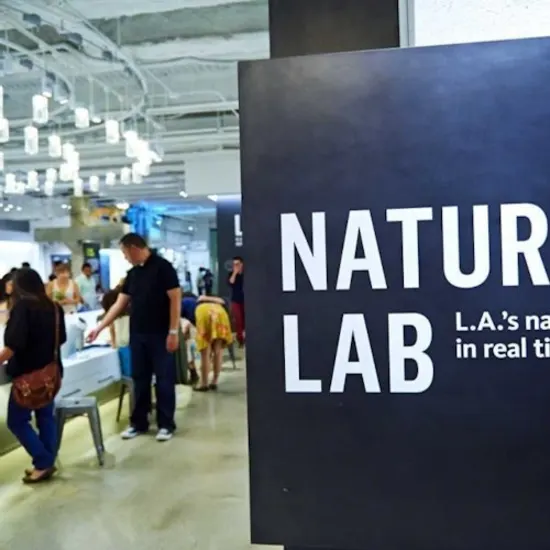
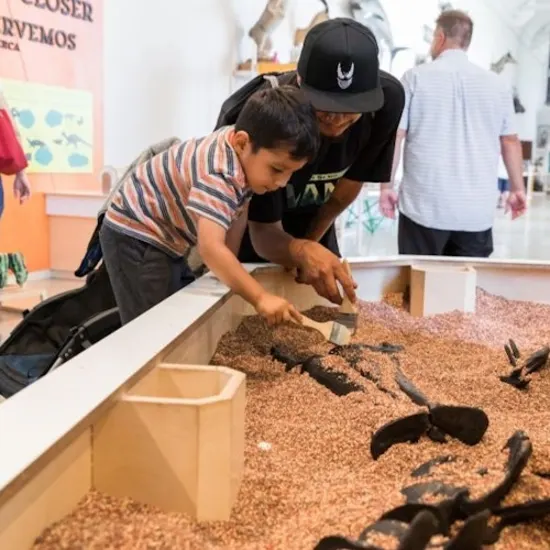
Educational Programs: Engage with science through the museum’s educational programs, including the Nature Lab and Dino Lab. These hands-on experiences allow visitors to learn about scientific research and conservation efforts in an interactive setting.
Timings

The Natural History Museum of Los Angeles County is open daily, providing ample opportunity to explore its vast collections.
Regular Hours:
Monday to Sunday: 9:30 AM – 5:00 PM
Closed on:
The first Tuesday of every month
Independence Day (July 4)
Thanksgiving Day
Christmas Day (December 25)
New Year’s Day (January 1)
How Do I Get There?
- Address
- Directions
900 Exposition Blvd, Los Angeles, CA 90007

By Car:
NHM Car Park: Located at 3724 Bill Robertson Lane, just south of Exposition Boulevard. Open from 9:15 AM to 6:00 PM.
Blue Structure Parking Lot: Situated at 700 Exposition Park Drive, Los Angeles, CA 90037. Payment can be made at automated pay stations with exact cash, Mastercard, or Visa.
By Public Transit:
Metro Rail: Take the Metro Expo Line to the Expo Park/USC Station. The museum is a short walk from the station.
Bus: Several Metro Bus lines serve the Exposition Park area. Check the Metro Trip Planner for the best routes from your location.
By Bicycle:
Bike racks are available near the museum entrances.
Walking:
The museum is within walking distance from various hotels and attractions in the Exposition Park area.
Facilities & Accessibility
Wheelchair Access: All exhibits are accessible for wheelchairs and strollers, with the exception of strollers inside the Butterfly and Spider Pavilion.
Wheelchair Availability: Complimentary wheelchairs are available on a first-come, first-served basis. To borrow one, please leave a valid ID with Guest Relations upon arrival.
Accessible Parking: Limited accessible parking is available in the NHM Car Park.
Restrooms & Family Lounges: Wheelchair-accessible and all-gender restrooms are located throughout the museum. Family Care Lounges are available on Level 1 near the Welcome Center and on Level 2 in the Bird Hall.
Service Animals: Service animals, as defined under the Americans with Disabilities Act, on a leash and under the owner’s control, are welcome at the Museum.
Sensory Sensitivity Kits: Free sensory kits, including noise-canceling headphones, a fossil stress ball, a sensory guide, and a fidget cube, are available on a first-come, first-served basis. To borrow a kit, please leave a valid ID with Guest Relations.
Deaf or Hard of Hearing Services: All exhibits (except the Gem and Mineral Hall and Bird Hall) feature videos with open captioning. American Sign Language interpretation or Communication Access Realtime Translation (CART) services are provided at no fee for all theater programs, public programs, lectures, and tours.
Additional Info about the Natural History Museum of Los Angeles County
NHM Commons:
The NHM Commons is a 75,000-square-foot community hub featuring a transparent glass façade, sustainable gardens, and a new plaza. It includes the Judith Perlstein Welcome Center, showcasing “Gnatalie,” the first real skeletal mount of a long-neck dinosaur on the West Coast, and Barbara Carrasco’s mural L.A. History: A Mexican Perspective.
Special Exhibitions:
The museum hosts various special exhibitions throughout the year, such as the Butterfly Pavilion in spring and summer, and the Spider Pavilion in fall.
Educational Programs:
NHM offers a range of educational programs, including field trips, virtual school programs, and educator workshops.
Museum Store:
Located near the entrance, the museum store offers a wide selection of educational and nature-themed merchandise.
Dining Options:
A café with indoor and outdoor seating is available for visitors to enjoy a variety of food and beverages.
Interesting Facts about the Natural History Museum of Los Angeles County
The Natural History Museum of Los Angeles County spans a vast collection of nearly 35 million specimens and artifacts, making it the largest natural and cultural history museum in the Western United States.
Visitors can admire the iconic 1913 rotunda, renowned for its grand Beaux-Arts architecture, marble walls, and the historic Three Muses statue, the first piece of public art funded by Los Angeles County.
Established in 1913 as The Museum of History, Science, and Art, the museum has played a central role in preserving and showcasing the natural and cultural heritage of the region for over a century.
The museum’s domed, colonnaded rotunda serves as a stunning architectural centerpiece, combining classical design with rich historical significance, reflecting early 20th-century artistic trends.
Significant renovations include the reopening of the restored 1913 rotunda in 2010 and the 2011 unveiling of the state-of-the-art Dinosaur Hall, enhancing visitor engagement with cutting-edge exhibits.
Visitors can explore distinct areas like the Nature Gardens and Nature Lab, offering immersive outdoor experiences that feature urban wildlife and native plant habitats unique to Los Angeles.
Interactive exhibits such as the Ralph M. Parsons Discovery Center and the Insect Zoo provide hands-on learning opportunities that allow guests to connect closely with various aspects of natural history.
To enhance visitor comfort and convenience, the museum features amenities including café services, gift shops, and seating areas – with the upcoming NHM Commons wing adding a new theater, community spaces, and a plaza in 2024.
Seasonal attractions like the Butterfly Pavilion in spring and summer, as well as the Spider Pavilion in the fall, offer dynamic live insect displays that delight visitors year-round.
The museum honors local wildlife through special exhibits, including a dedicated display for P-22, the famous mountain lion from nearby Griffith Park, celebrating Los Angeles’ unique natural environment.